This page provides an overview of the Saginaw Bay CISMA’s priority invasive species and includes information to help with identification, impacts, and management within our service area. It also serves as a hub for watchlist invasive species, supporting early detection and awareness of emerging threats. To lean more about invasive species impacting the Midwest we also have links to the Midwest Invasive Species Information Network (MISIN) to access comprehensive invasive species profiles, distribution maps, and reporting tools.
Saginaw Bay CISMA Priority Species
The species listed below represent the current invasive species prioritized by the Saginaw Bay CISMA. These species have been identified as high concern due to their potential to spread rapidly, displace native plants and wildlife, and negatively impact natural ecosystems, agriculture, infrastructure, and recreational access. Prioritization is based on factors such as known or emerging presence within the service area, ecological and economic impacts, feasibility of management, and opportunities for early detection and rapid response. By focusing efforts on these priority species, the SB-CISMA and its partners can strategically direct resources toward prevention, monitoring, control, and education where they will have the greatest impact. Management of priority invasive species is a collaborative effort involving local, state, and federal partners, private landowners, and community members. Public awareness and reporting play a critical role in slowing the spread of invasive species and protecting the natural resources within our region.
Click the buttons below for an in depth look at the species.
-
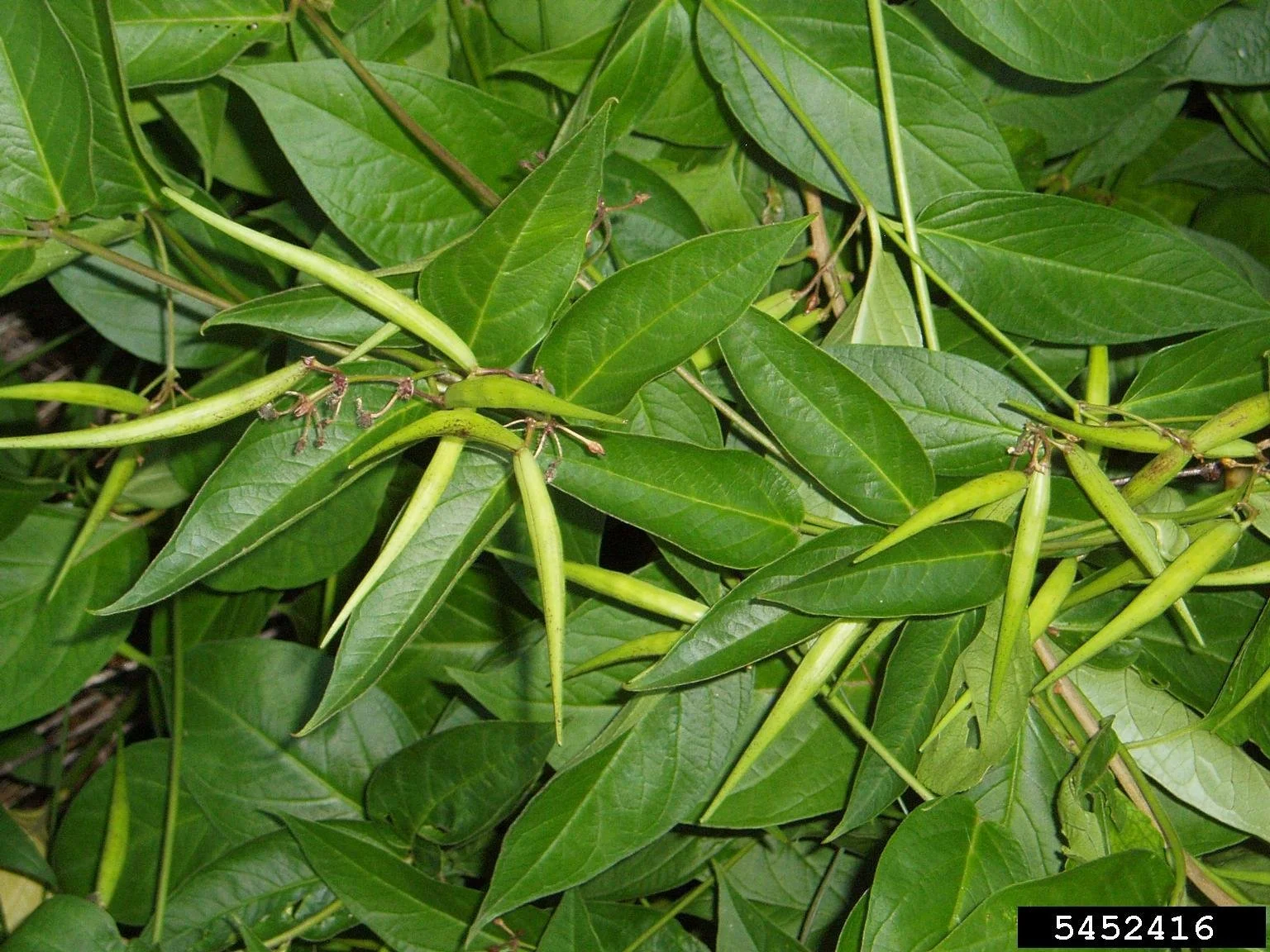
Black and Pale Swallow wort (Vincetoxicum spp.)
Aggressive, vine-like invasive plants that outcompete native vegetation and degrade wildlife habitat. Swallow-wort spreads rapidly and is particularly harmful to pollinators, including monarch butterflies.
-
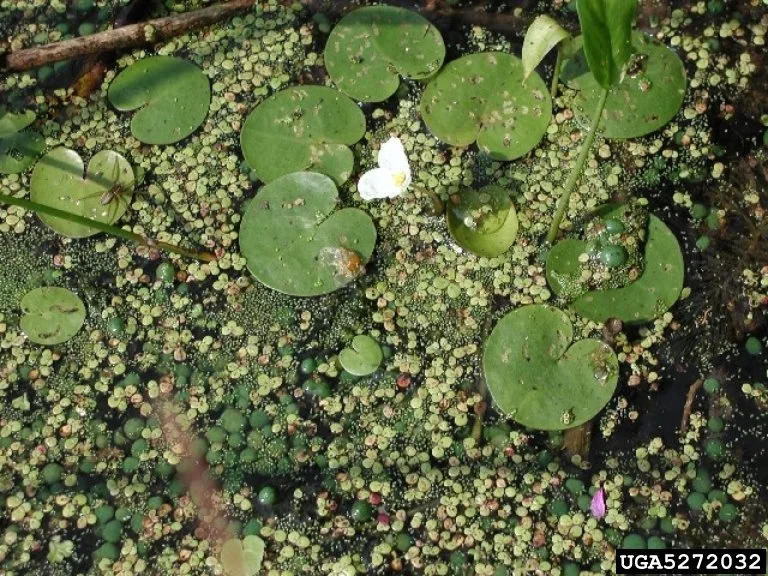
European Frogbit (Hydrocharis morsus-ranae)
A floating aquatic invasive plant that forms dense mats on the water’s surface, European frogbit blocks sunlight, reduces oxygen levels, and degrades habitat for fish and native aquatic species. It spreads quickly through connected waterways and can significantly impact wetlands and shallow lakes.
-
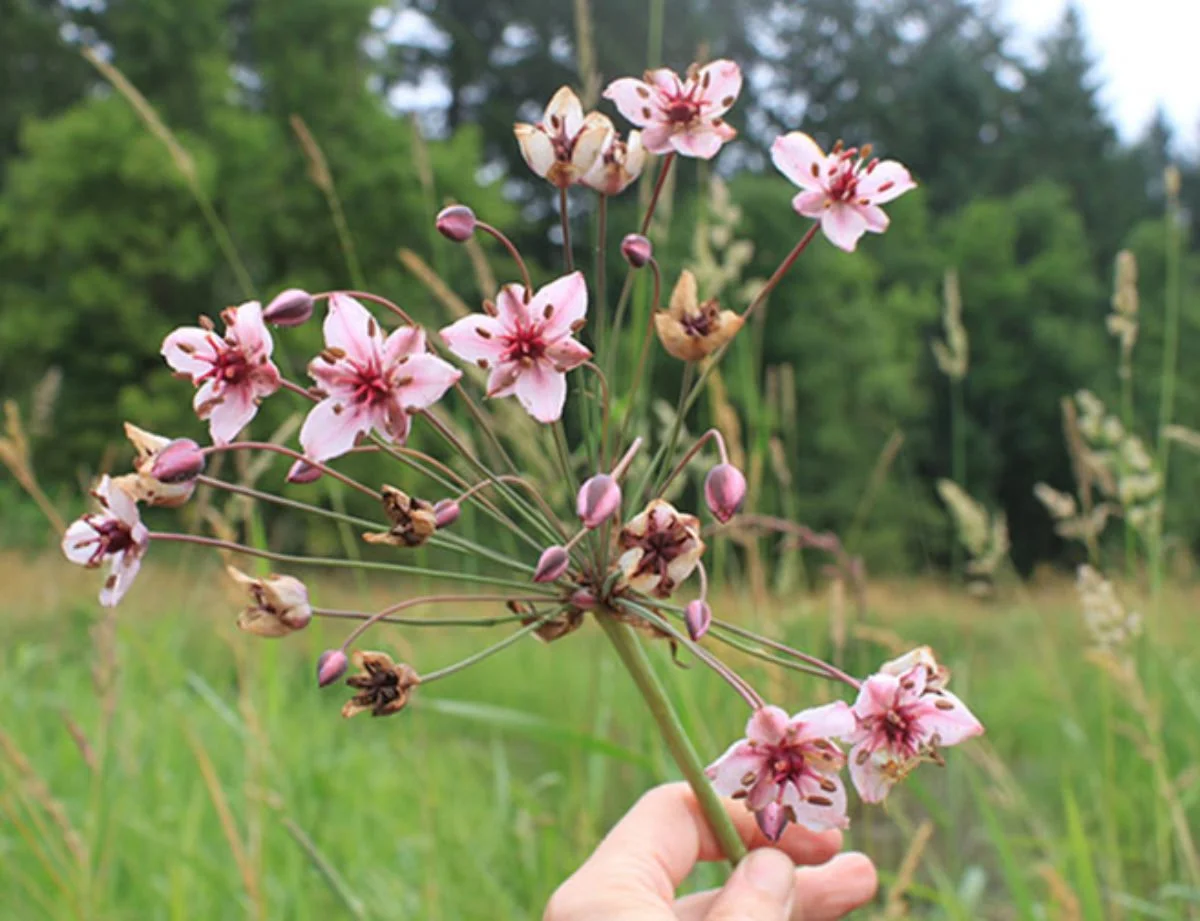
Flowering Rush (Butomus umbellatus)
An invasive aquatic plant found in lakes, rivers, and wetlands that forms dense shoreline and submersed stands. Flowering rush displaces native aquatic plants and degrades habitat for fish and wildlife.
-
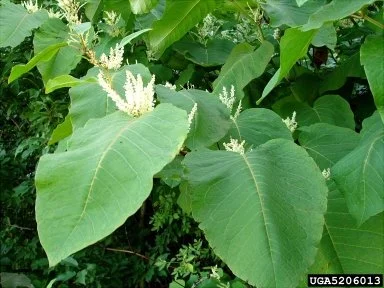
Giant Knotweed (Reynoutria sachalinensis)
A fast-growing invasive plant that forms dense stands along rivers, roadsides, and disturbed areas. Giant knotweed spreads aggressively through rhizomes, increasing erosion and crowding out native vegetation.
-
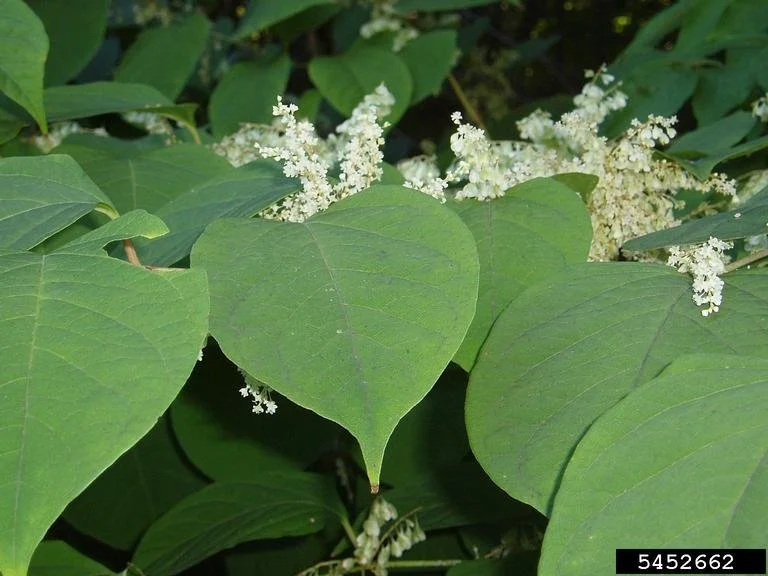
Japanese Knotweed (Reynoutria japonica)
A highly invasive perennial that forms dense thickets, damaging infrastructure and natural areas. It spreads easily from small plant fragments and is extremely difficult to control once established.
-
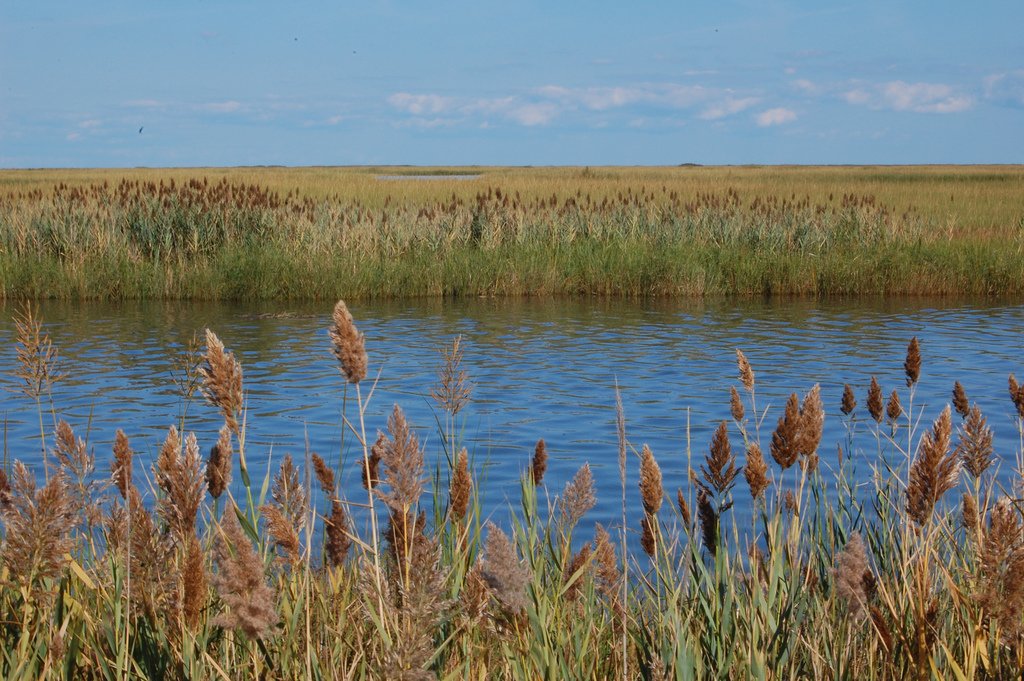
Phragmites (Phragmites australis)
A tall, dense invasive grass that forms monocultures in wetlands and along shorelines. Phragmites displaces native plants, alters hydrology, and limits wildlife habitat and shoreline access.
Michigan Watchlist
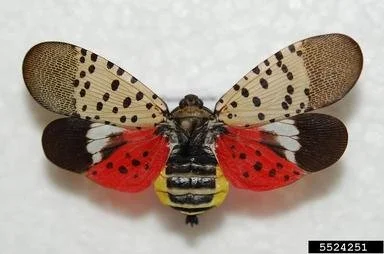
Spotted Lanternfly Photo: Lawrence Barringer, Pennsylvania Department of Agriculture, Bugwood.org
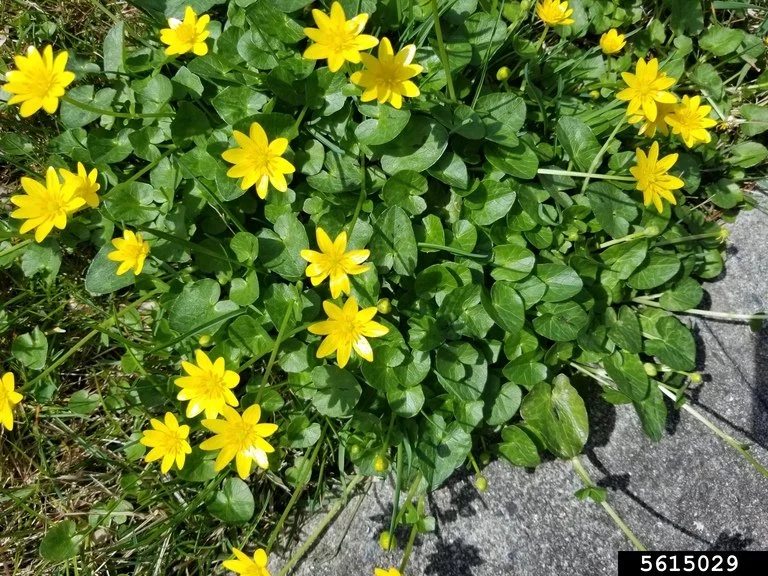
Lesser Celandine Photo: Nancy Gregory, University of Delaware, Bugwood.org
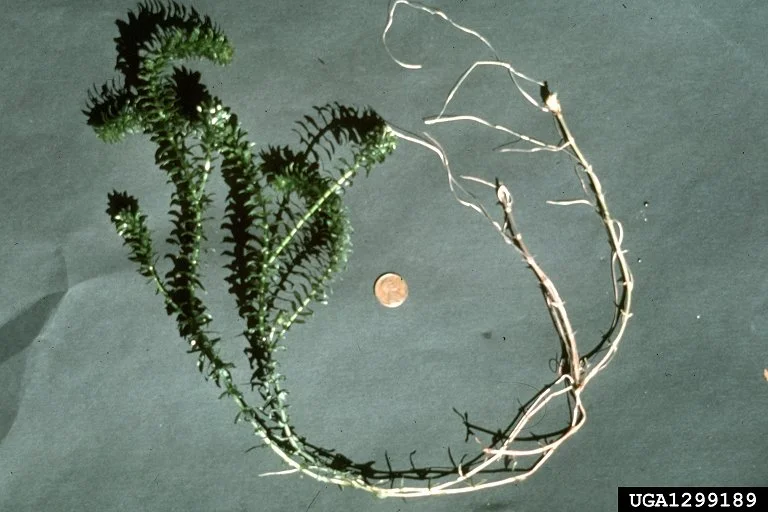
Hydrilla Photo: Raghavan Charudattan, University of Florida, Bugwood.org
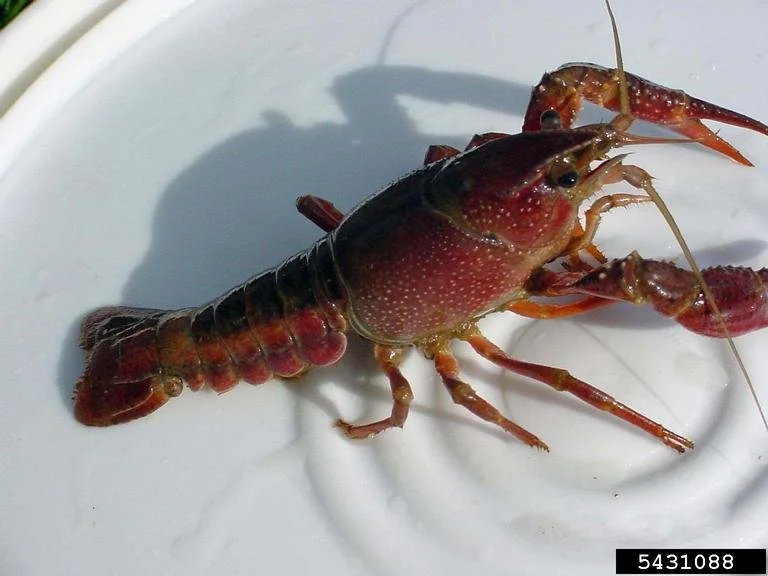
Red Swamp Crayfish Photo: United States Geological Survey (USGS) , US Geological Survey, Bugwood.org
Watch list species pose a possible or immediate threat to Michigan's natural resources. Watch list species have either not been identified alive in Michigan, or have limited distribution within the state, and have the potential to cause significant damage to the environment, economy and public health within our state.
As of 2025, the Michigan Invasive Species Program has identified 34 species of plants, animals, and diseases considered "high priority" for monitoring and treatment. Early detection and response is crucial for limiting the potential for harm from watch list species. Do your part to reduce the impacts of invasive by learning to identify watch list species and by reporting them immediately.
For more information on identifying watch list species, visit Michigan Invasive Species.gov